Resource Optimization in Orchards with Drip Irrigation Systems
Riegotec Editorial Team
Irrigation specialists
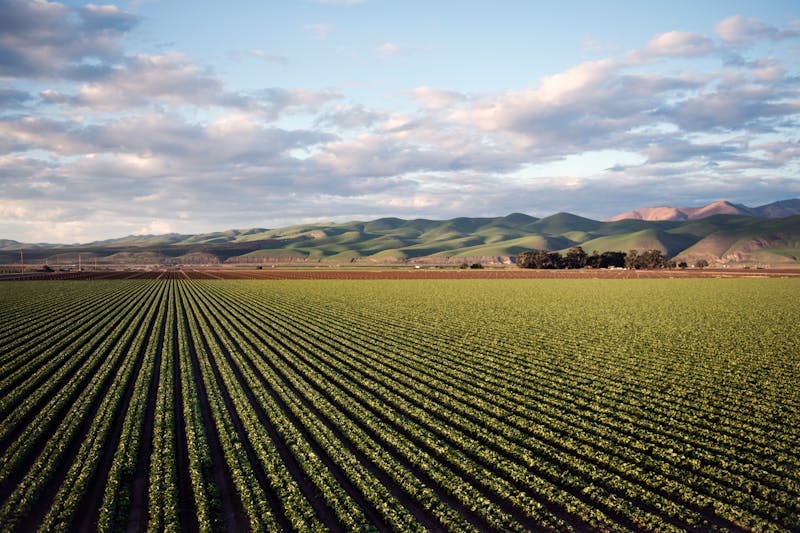
Professional drip irrigation system installed in a modern orchard.
Precision agriculture represents the future of sustainable horticulture. By implementing professional drip irrigation systems, farmers can gain total control over water and nutrients, reducing consumption by up to 60% compared to traditional methods.
Key Components of a Complete System
An integrated solution for orchards, vineyards, and greenhouses includes several essential elements that work in harmony:
- High-strength polyethylene pipes: Ensure uniform water distribution to the root of each tree, withstanding pressure and varying weather conditions.
- Water pumps and filtration stations: Maintain constant pressure and protect the system from particles that could clog the drippers.
- Soil moisture sensors: Measure water content in real-time, enabling automated irrigation only when the plant needs it.
- Centralized control panel: Allows remote scheduling of irrigation cycles, consumption monitoring, and report generation.
Benefits for the Farmer
Implementing these technologies leads to a significant increase in operational efficiency. Fertile soil retains its structure, and plants receive an optimal supply of water and nutrients directly at the root zone, which stimulates growth and yield.
Automation drastically reduces the need for manual labor and eliminates the risk of over- or under-irrigation. The investment in such a system pays for itself quickly through resource savings and increased production.
"Precision in irrigation doesn't just mean water savings, but also creating ideal conditions for each plant to reach its maximum potential."
The future of smart agriculture is here. By combining drip irrigation systems with advanced automation, farmers can grow more with less, while also respecting the environment.